

The narrative surrounding Vietnam’s fashion market has long been dominated by a single, seductive metric: The meteoric rise of its middle class. On paper, the opportunity for 2026 looks effortless. In practice, it rarely is.
While a population of 100 million and a median age under 33 suggest a consumer base primed for fashion consumption, the gap between “market potential” and “captured revenue” remains dangerously wide for global brands. In the hallways of international HQs, Vietnam is often discussed as a monolithic opportunity, a box to be checked in an APAC expansion strategy. On the ground, the reality is far more nuanced. Entering Vietnam in 2026 is no longer about being first; it is about being precise. The market is maturing at a rate that far outpaces the internal agility of most global brands.
This analysis is rooted in the operational reality of managing premium retail portfolios through multiple economic cycles in Southeast Asia.
1. Vietnam’s Fashion Market in 2026: Growth Is Real But Uneven
By 2026, Vietnam’s fashion sector will already be highly competitive at scale and increasingly non-linear in its growth. The “rising tide” no longer lifts all boats. We are seeing a sharp divergence between brands that offer a distinct lifestyle proposition and those that rely on generic global prestige.
The opportunity in 2026 is concentrated in “pockets of sophistication.” While Tier 1 cities like Ho Chi Minh City and Hanoi remain the primary engines, the nature of their demand has shifted. It is no longer enough to simply “be present.” The market is becoming crowded, and the consumer is becoming selective. Brands that fail to distinguish between the timeless, status-driven luxury preferred in the North and the rapid, trend-led consumption of the South will likely see growth plateau before recouping their initial CAPEX.

2. The New Consumer: Why 2026 Is Different From 2020
The consumer entering a retail store in 2026 is fundamentally different from the one who shopped pre-pandemic. The “Gen Z” demographic has transitioned from being a future trend to being the primary decision-maker.
For this cohort, the line between physical and digital has dissolved entirely. They do not “go shopping”; they are “always shopping.” In 2026, a brand’s presence on TikTok or a local social commerce platform is not a marketing tactic it is the storefront. However, this digital fluency is matched by a high expectation for physical experience. The 2026 consumer demands a flagship that is “content-ready” a space that justifies the effort of leaving their smartphone. If your retail format in Vietnam looks exactly like your format in Paris or Dubai, you have already lost the local narrative.

3. Where the Real Opportunities Are (And Where They Are Not)
The most significant opportunity in 2026 lies where the strongest momentum is no longer at the extremes. It sits in the space between where brands offer aspiration without being unattainable, and identity without being overexposed. While Ultra-Luxury remains stable, the real volume and growth are shifting toward brands that bridge the gap between mass-market fast fashion and unattainable luxury. This is where the Vietnamese affluent class lives: they want global quality and brand “clout,” but they shop with a pragmatic eye for value and local relevance.
Conversely, the “unbranded” or generic mid-market is a graveyard. Local designers in Vietnam have become exceptionally sophisticated, offering high-quality, culturally resonant pieces at competitive prices. Global brands that enter with a “basic” global collection without a clear storytelling edge will find themselves squeezed between agile local incumbents and established global titans. The opportunity is not in the “what,” but in the “why.” Why should a 26-year-old in District 1 buy your brand over a local designer they follow on Instagram?
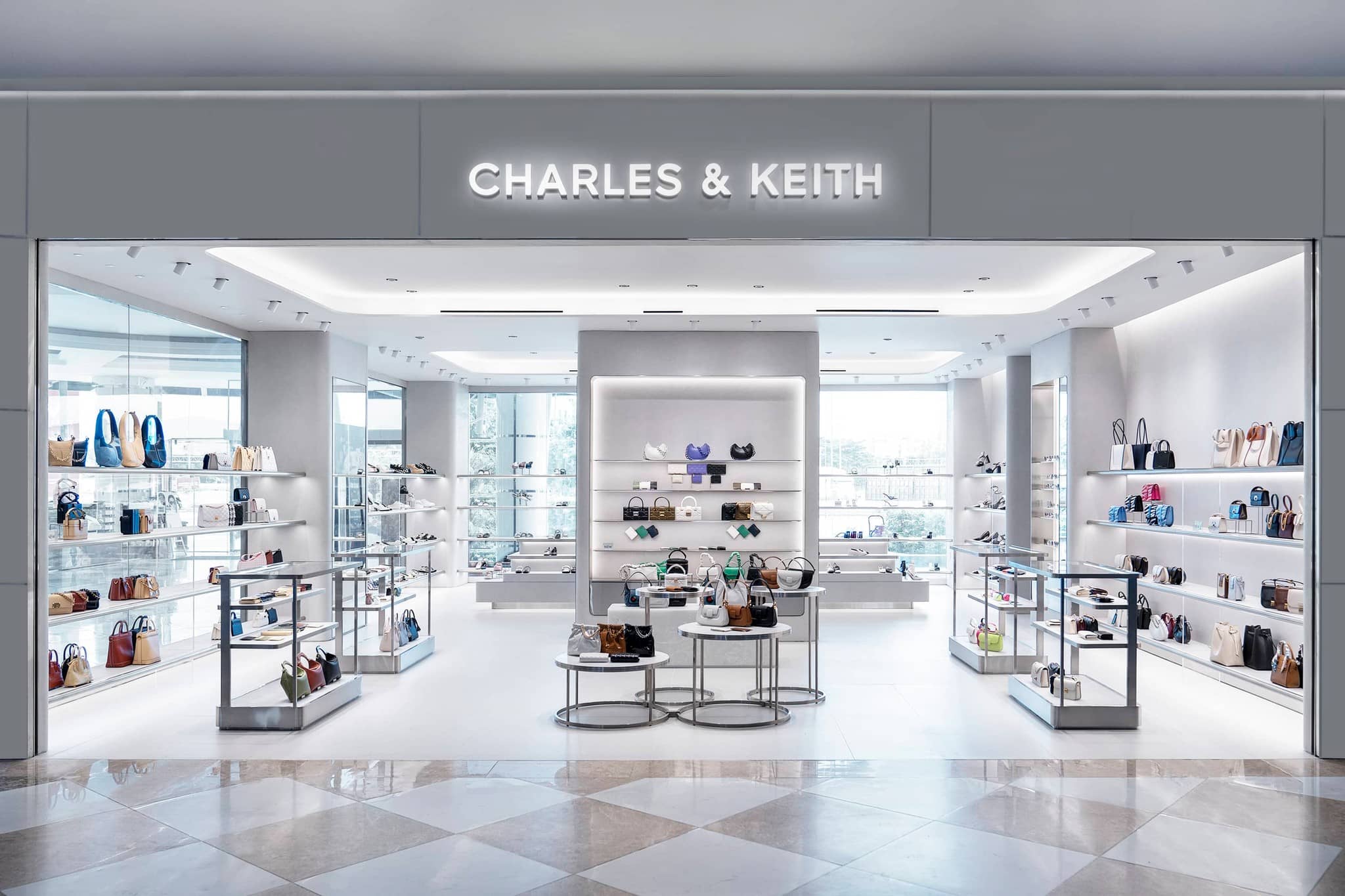
4. Why Many Fashion Brands Fail Despite Strong Demand
We frequently see global brands exit Vietnam within 24 months of entry. The post-mortem is almost always the same: a mismatch between global expectations and local operational reality.
The most common failure point is “HQ Rigidness.” Global directors often insist on pricing structures, seasonal drops, and marketing assets that don’t align with Vietnam’s tropical climate or its unique holiday calendar (such as the massive spending surge around Lunar New Year). When a brand treats Vietnam as a satellite of a larger region managed out of Singapore or Hong Kong without a local pulse it misses the micro-trends that define retail success. Demand exists, but the channels used to capture it are often misaligned.

5. The Operational Reality Behind “Market Opportunity”
“Opportunity” is a boardroom word. “Execution” is a retail word. In Vietnam, execution is hindered by three major hurdles that no strategy deck can solve:
- The Real Estate Paradox: There is a severe shortage of “A-grade” retail space. The best malls are at 100% occupancy with long waiting lists. Securing a prime location requires more than a strong brand name; it requires local leverage and long-standing relationships with developers.
- The Talent Gap: While the workforce is young and energetic, there is a shortage of mid-to-senior retail management talent that understands global luxury standards.
- Supply Chain Friction: Navigating Vietnamese customs, import duties, and local logistics requires a level of “on-the-ground” expertise that most global HQs are not equipped to handle.
In 2026, your supply chain is your competitive advantage. If your “New Arrival” collection sits in a warehouse for three weeks due to a paperwork error, your competitors have already captured the trend.
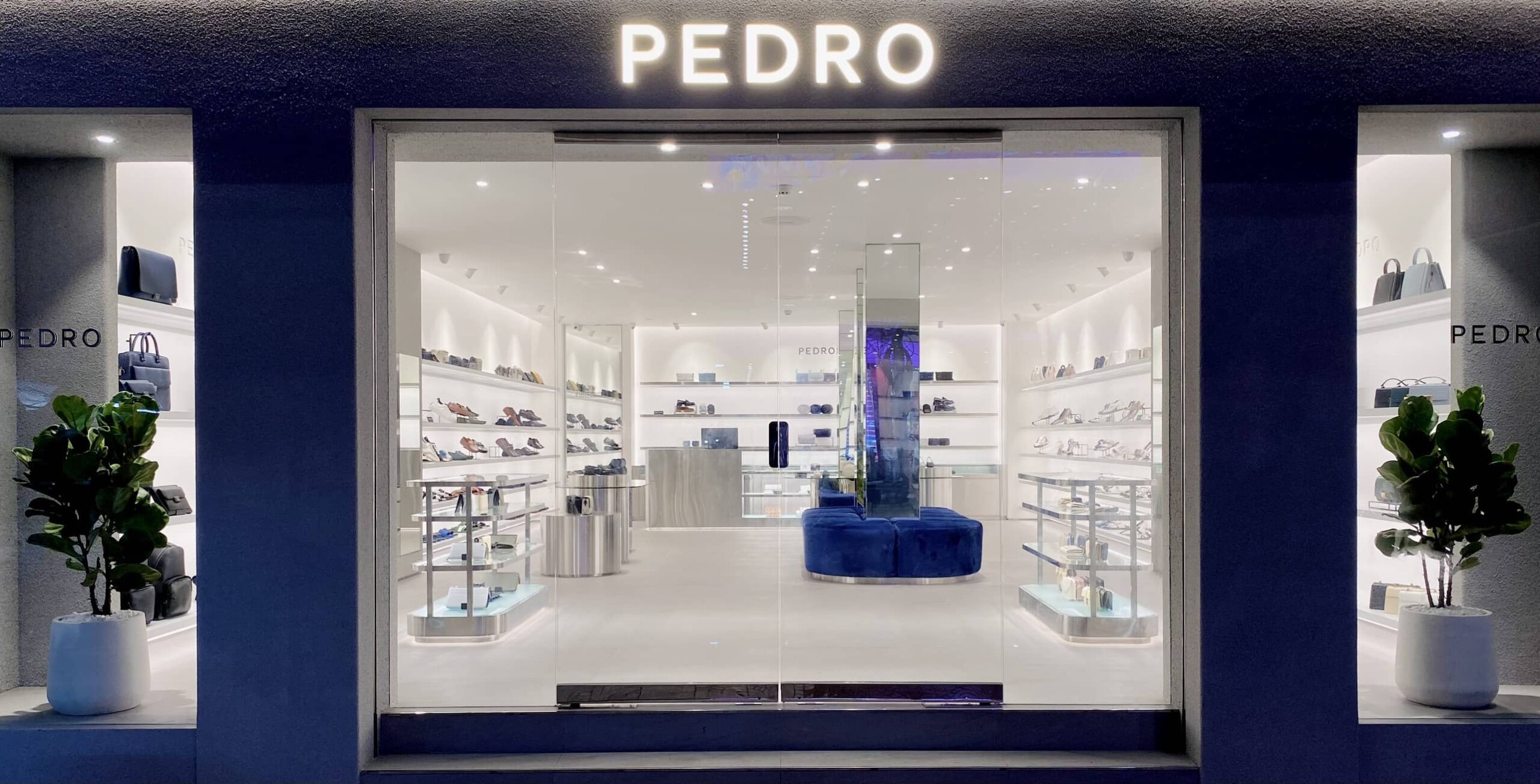
6. The Role of Local Retail Partners in Capturing Opportunity
For most global brands, the “DIY” model in Vietnam is a high-risk, low-reward path. The complexity of the market – from navigating local tax laws to managing a workforce across different cultural zones – requires a local operator who can act as a “cultural translator.”
A local partner doesn’t just provide a distribution network; they provide an “operational shield.” They absorb the shocks of local volatility, manage the nuances of local real estate negotiations, and ensure that the brand’s global DNA is preserved while being adapted for local consumption. In 2026, the brands that scale the fastest are those that empower local operators to make real-time decisions.

7. Why Operators – Not Advisors – Define Market Success
There is a fundamental difference between a consultant who analyzes the market and an operator who lives it. Advisors deal in frameworks and “best practices.” Operators deal in rent negotiations, inventory shrinkage, and customer retention.
In a market as dynamic as Vietnam, strategy is a commodity. Execution is the rare asset. You can hire a firm to tell you that the market is growing by 8% but they won’t be there at 2:00 AM when a logistics issue threatens your Lunar New Year launch. Markets don’t reward strategy. They reward execution. The value of an operator lies in their ability to turn a “market opportunity” into a profitable P&L.
8. Why Established Retail Operators Like Maison Retail Management International Matter
When global brands evaluate the Vietnamese landscape, they often look for benchmarks of longevity and scale. This is why industry leaders frequently reference established operators like Maison Retail Management International (Maison RMI).
With a track record that spans over two decades and a portfolio of more than 80 global brands, Maison RMI represents the “Operator Model” in its most evolved form. The ability to manage diverse segments from high-street fashion to premium lifestyle across a nationwide network of 200+ stores is not a feat of strategy; it is a feat of sustained operational excellence. For a brand entering Vietnam in 2026, a partner with this level of “institutional memory” is the difference between a successful launch and a costly lesson. In a market where execution determines survival, operators with this depth of experience are not optional they are foundational.
9. Final Thought: Opportunity Is Not the Advantage – Execution Is
As we look toward 2026, the window for “easy” entry into Vietnam is closing. The market is sophisticated, the consumers are discerning, and the competition is fierce. The “opportunity” is visible to everyone with a spreadsheet.
The real advantage belongs to the brands that move beyond the spreadsheet and focus on the grind of retail execution. Vietnam is a market that rewards commitment, localized agility, and operational depth. If you want to capture the Vietnam of 2026, stop asking “is the opportunity there?” and start asking “who is going to execute it?”
Is your brand prepared for the reality of Vietnam 2026? Success in this market requires more than a global playbook; it requires local operational mastery. We invite you to explore what it takes to build a lasting retail legacy in Southeast Asia.
Start a conversation about your Vietnam strategy